Restoration of 2700 Ha of degraded barren uplands across 5 districts of Easternb Madhya Pradesh.
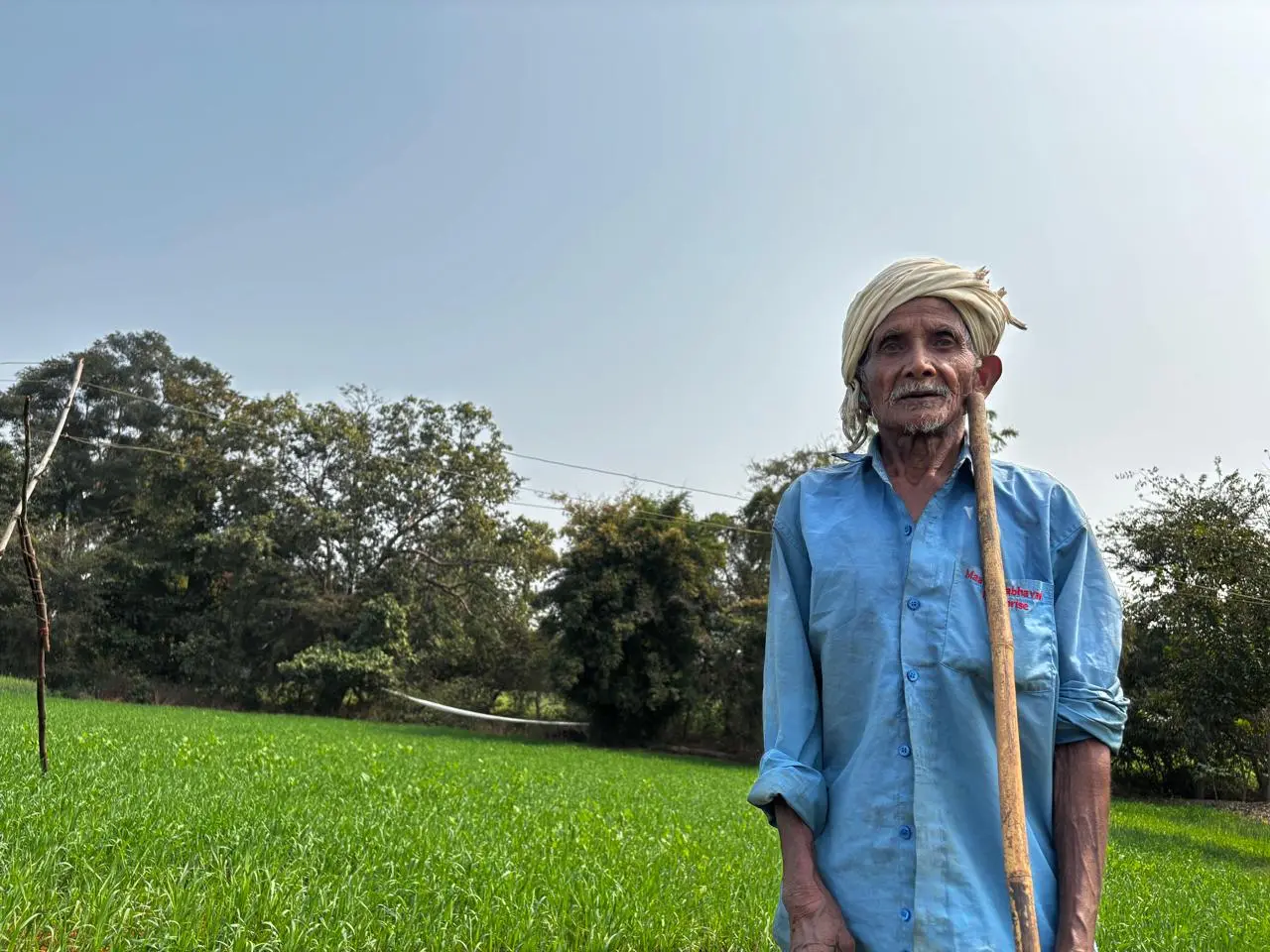
Impacting livelihoods of over 2000 small & marginal farmers through agro commodities like Tasar Sericulture, Millets, Vegetables and creation of inter generational wealth as Timber & Carbon Revenue Sharing.
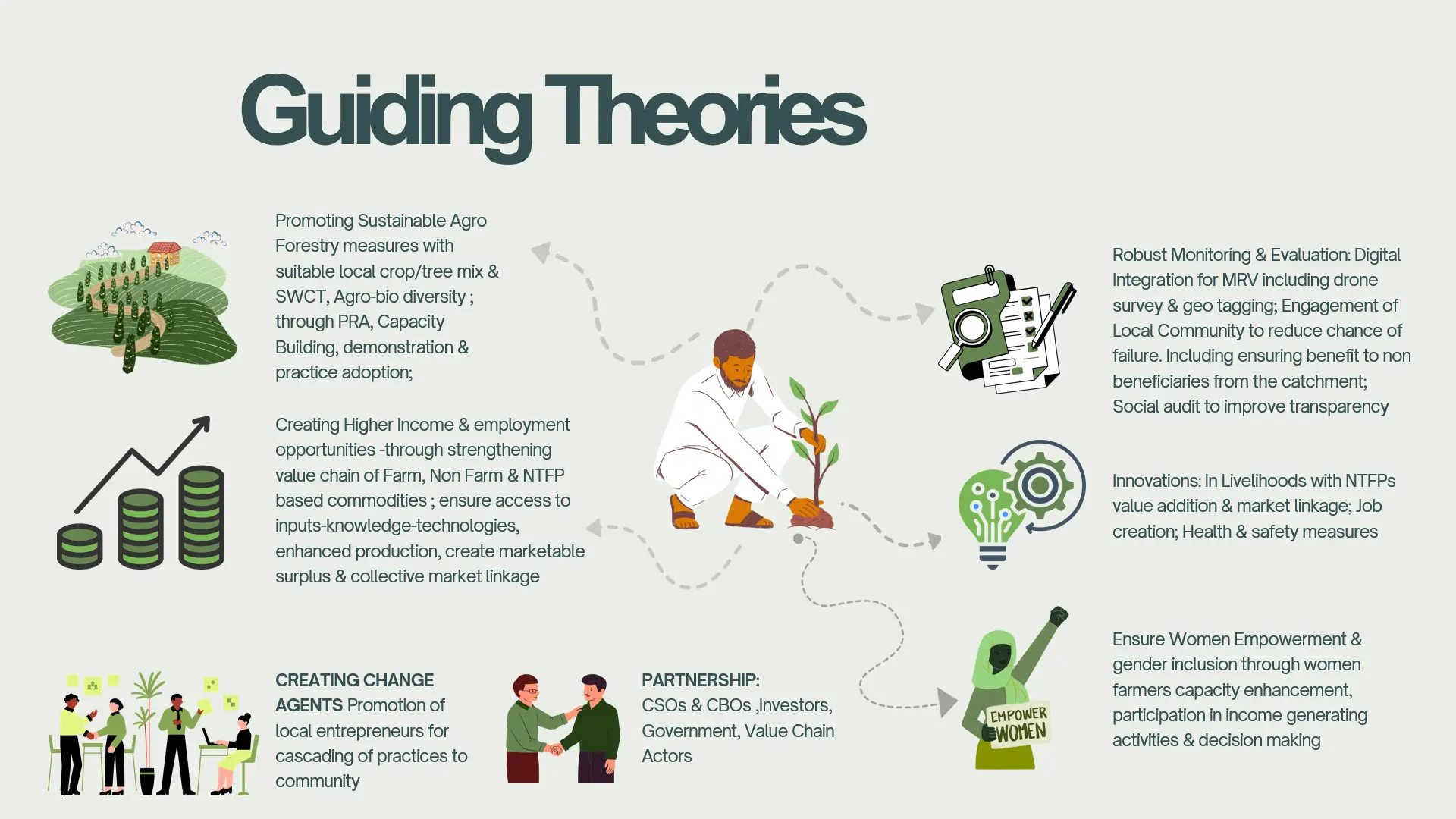
Plantation of close to 4 Million Trees; Sequestering upto 1.5 million tons of atmospheric carbon, Maintaining Bio Diversity & Inclusion of native species; Utilization of field bunds with afforestation; Creation of Soil & Moisture Conservation measures.
Improving livelihood of 50,000 + local farmer communities who are mostly small & marginal farmers through adoption of sustainable practices for landscape restoration, agro forestry & ensure diversification in income opportunities to reduce vulnerability.
Restore upto 50,000 ha degraded land through planting trees that are suited to local conditions preserving the ecosystems and associated biodiversity of the region by following ARR (Afforestation, Reforestation, and Revegetation) and other Nature Based Solutions.
Restoring 50,000 ha of degraded land, planting 40 million trees and storing up to 20 million tons of CO₂.


This project has no requirement of the acquisition of the land. Land will remain with the land owner, rather the project seeks a carbon agreement on the project activity on the land. Revenue sharing mechanism will be mentioned in the landowners agreement.
Throughout the project’s period, Ploughman and associated partners will work in close collaboration with the local villages, setting up nurseries, ensure land preparation, supply of saplings, fencing, creating land ownership for discussion-training & knowledge sharing.
Ensuring biodiversity for restoring local biodiversity species based. Ensure market access by the project with buyers for agro-commodities like tasar silk. Selection of tree species is among native productive species based on their high survival rate.
Total project period: 40Yrs
In these 40 years landowners will get multiple benefits including
carbon revenue, agro-commodity revenue every year and after 4–7
years landowners will also get timber value of planted saplings.